Connecticut Court Advances State Consumer Protection Case Against ExxonMobil
A climate fraud case brought by the state of Connecticut against oil major ExxonMobil is moving forward after a state court judge last week denied the company’s bid to have the case dismissed.
In a 69-page opinion issued on November 26, Connecticut Superior Court Judge John B. Farley rejected all of the grounds for dismissal put forward by defendant ExxonMobil in State of Connecticut v. Exxon Mobil Corporation, a case alleging that the company misled Connecticut consumers about the climate impacts of its fossil fuel products. The ruling clears the way for the lawsuit to advance to discovery and, potentially, to trial.
“ExxonMobil is throwing the kitchen sink at us, trying every angle to invalidate our case. Once again, they have failed on every count,” Connecticut Attorney General William Tong said. “Our case is simple and strong—ExxonMobil amassed billions of dollars in profits off a decades-long campaign of lies, and they must be held accountable.”
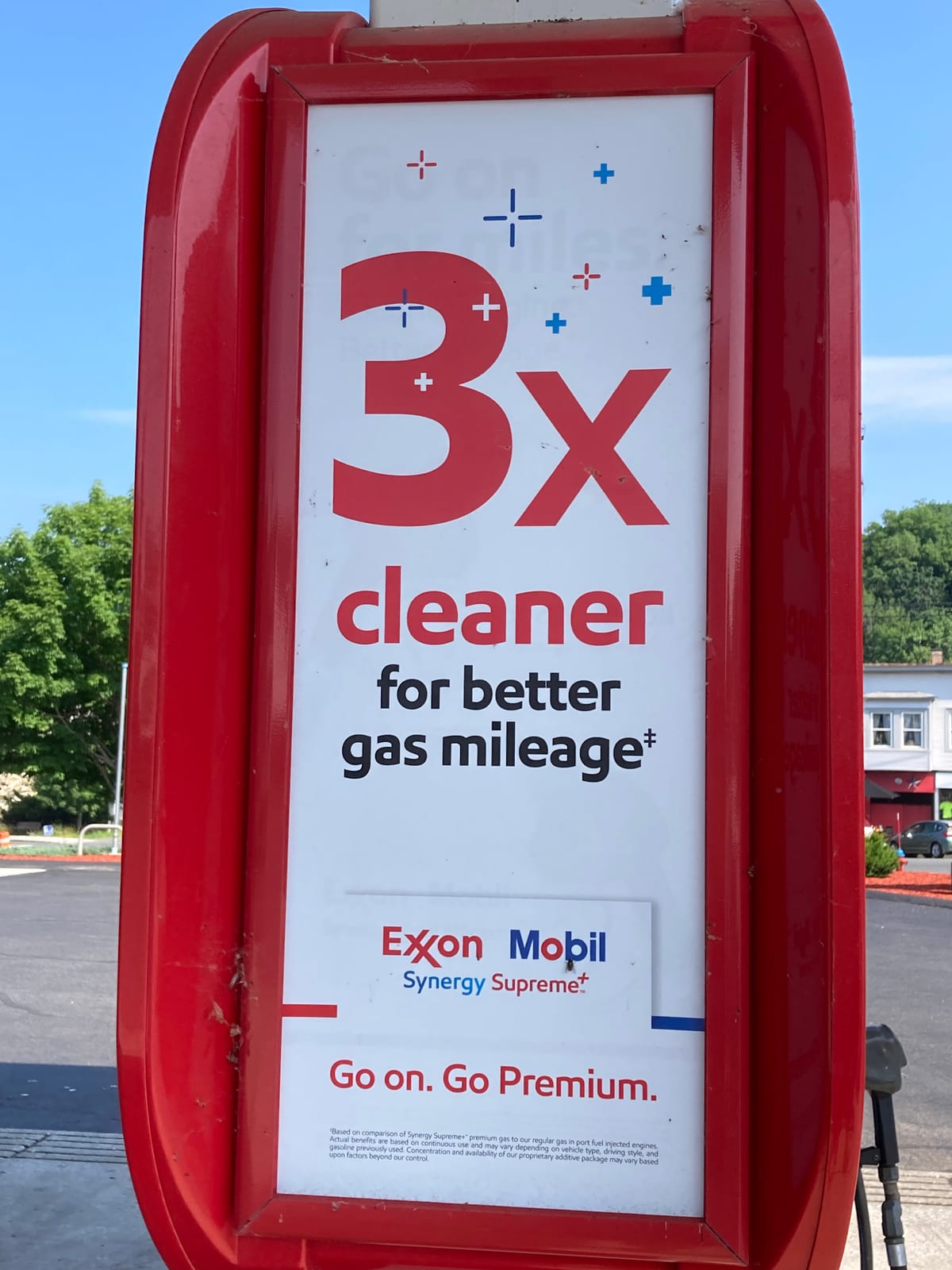
Tong filed the case in 2020, arguing that ExxonMobil’s alleged deceptive conduct – including disputing the scientific consensus on the link between fossil fuels and climate change, and more recently, engaging in greenwashing to portray its activities as environmentally sustainable – violates state law under the Connecticut Unfair Trade Practices Act [CUTPA]. The alleged deception was aimed at boosting sales of the company’s products and protecting profits while Connecticut’s consumers and environment suffer the climate change consequences, the case asserts.
After attempting unsuccessfully to have the case removed to federal court, Exxon moved to get it dismissed in state court. The company argued that the state’s claims are preempted by federal law, are legally insufficient under the state consumer protection statute, and are barred by the First Amendment.
Farley addressed these arguments and ultimately decided that the case could move forward at this early stage. “The complaint sufficiently alleges unfair and deceptive acts or practices in violation of CUTPA,” he wrote.
In discussing the federal preemption argument, he acknowledged a split among state courts in similar climate deception cases in deciding that issue. Some state trial courts, he noted, have followed the Second Circuit Court of Appeal’s conclusion in City of New York v. Chevron Corp. – a climate deception case brought by New York City against several big oil companies that was dismissed – that state law tort claims pertaining to climate change are preempted by federal law. Farley, however, distinguished the claims in Connecticut’s case from those in the NYC case, and he also pointed to another ruling from the Second Circuit in the Connecticut case that he said supports the state’s argument that its claims “do not seek to regulate interstate and international emissions.”
Instead, Farley said the state’s case “seeks to regulate only the defendant's marketing conduct related to [fossil fuel] products,” and therefore the consumer protection claims are not precluded by federal law.
Tong applauded the ruling, calling it “another big win in court” in a post on Bluesky. “ExxonMobil peddled climate lies for decades while profiting off the harm. We’re aggressively prosecuting this case to reveal all their lies and protect our communities,” Tong said.
“Exxon has fueled the climate crisis and lied about it for decades, and now Connecticut is one step closer to holding the company accountable for the damage it has caused,” Richard Wiles, president of the Center for Climate Integrity, an advocacy group supporting efforts to hold fossil fuel polluters accountable, said in a statement.
ExxonMobil did not immediately respond to a request for comment.
Similar cases in Massachusetts and Vermont brought under those states’ consumer protection laws have also survived motions to dismiss. The Massachusetts case, filed by then attorney general Maura Healey against Exxon in 2019, is deep into discovery and could get to trial within the next few years.