Dozens of US States And Municipalities Sue EPA Over Its Elimination Of GHG Endangerment Finding
Two dozen Democrat-led states along with over a dozen cities and counties filed a lawsuit on Thursday in the D.C. Circuit Court of Appeals against the U.S. Environmental Protection Agency and its head Lee Zeldin challenging the agency’s move to eliminate its science-based finding that greenhouse gases (GHGs) endanger public health and welfare.
The so-called endangerment finding, issued in 2009, has survived previous legal attacks from industry groups and has served as the basis for the EPA’s regulations under the Clean Air Act to curb climate pollution from sources like motor vehicles and power plants. But last month the Trump administration finalized a rule to rescind the finding and to repeal the tailpipe emissions standards that were predicated upon it. The EPA said the action would save over a trillion dollars in regulatory costs and would restore consumer choice and affordability in vehicle purchasing. “The Trump EPA is strictly following the letter of the law, returning commonsense to policy, delivering consumer choice to Americans and advancing the American Dream,” Zeldin said in a press release announcing the repeal.
The coalition of states and municipalities suing over the rollback, however, argue that the move is illegal and contravenes the overwhelming scientific evidence of the harmful effects of greenhouse gas emissions.
“With the unlawful rescission of the Endangerment Finding, President Trump and his EPA have abandoned their most important mission: protecting the health and welfare of the American people. The science doesn’t lie. Climate change and GHG emissions are harming public health and causing devastating and ever-worsening disasters,” California Attorney General Rob Bonta said in a statement.
“The Trump EPA has ignored the law and ignored the science in its reckless rush to fulfill the wishes of the fossil fuel industry,” Connecticut Attorney General William Tong said. “Rescinding the Endangerment Finding means bigger profits for the world’s biggest polluters, while the rest of us are left more vulnerable to extreme weather, extreme heat and rising sea levels.”
California and Connecticut along with Massachusetts and New York are now co-leading the multi-state coalition taking the EPA to court over its recission. The coalition includes the states of Arizona, Colorado, Delaware, Hawai‘i, Illinois, Maine, Maryland, Michigan, Minnesota, Nevada, New Jersey, New Mexico, North Carolina, Oregon, Rhode Island, Vermont, Virginia, Washington, and Wisconsin as well as the District of Columbia and the U.S. Virgin Islands plus the state of Pennsylvania represented by Governor Josh Shapiro.
Additionally, the states’ legal challenge is joined by the cities of Boston, Massachusetts; Albuquerque, New Mexico; Chicago, Illinois; Los Angeles, California; New York, New York; Columbus, Ohio; Cleveland, Ohio; the cities and counties of Denver, Colorado and San Francisco, California; and the counties of Harris, Texas; Martin Luther King, Jr., Washington; and Santa Clara, California.
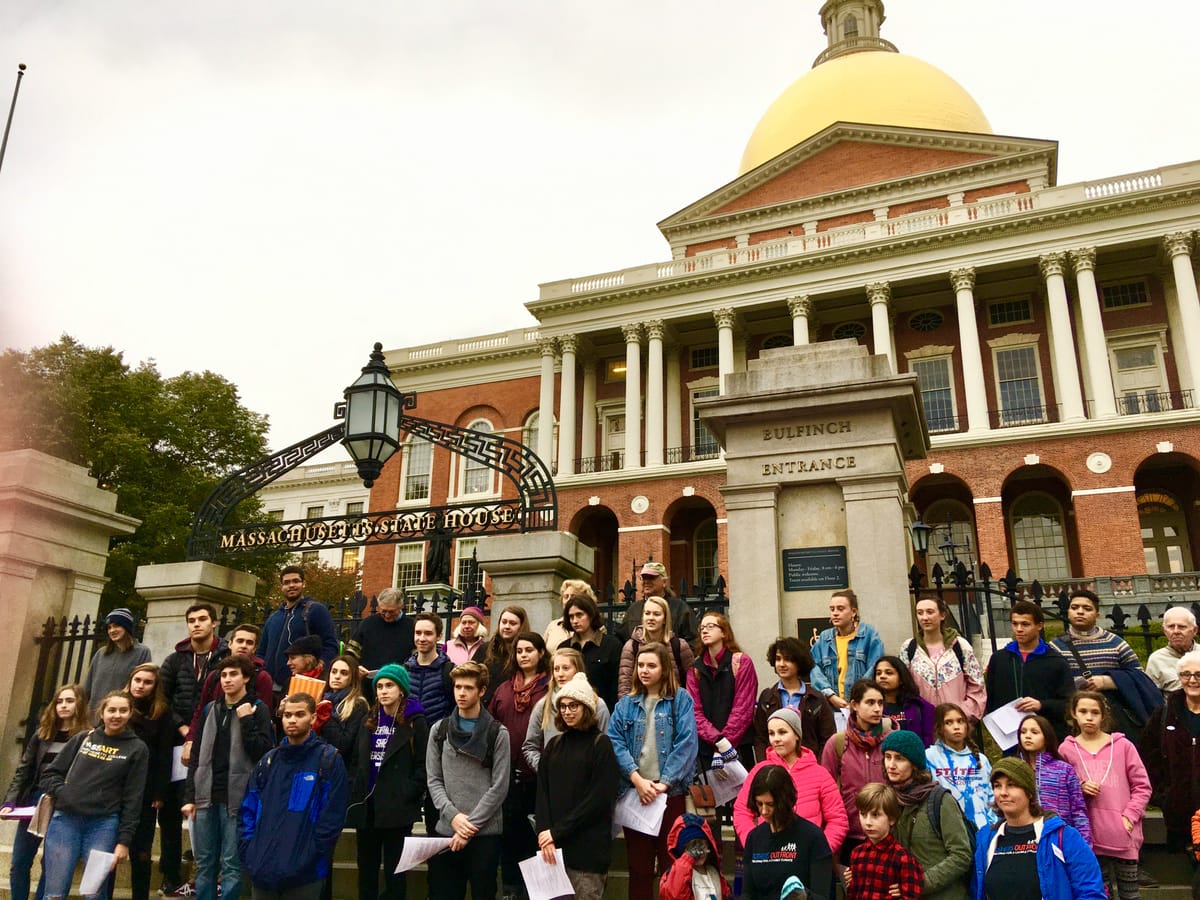
The Commonwealth of Massachusetts is listed as the first named plaintiff on the petition. Massachusetts similarly led a previous multi-state legal challenge against the EPA over its refusal to regulate GHG emissions, which culminated in the landmark 2007 Supreme Court decision in the case known as Massachusetts v. EPA. That decision, in which the Supreme Court ruled that the Clean Air Act’s definition of “pollutants” applies to greenhouse gases, ultimately gave rise to the endangerment finding because it confirmed that the EPA has the legal authority to regulate such pollutants and would be required to regulate upon a finding of endangerment.
In rescinding the endangerment finding, the EPA now claims that it lacks the legal authority under the Clean Air Act to regulate GHG emissions – a position that seems to conflict with the Supreme Court’s holding in Massachusetts v. EPA. The state and municipal challengers make this point in their lawsuit, noting that the Supreme Court has already rejected such “flawed interpretations” of the law.
When reached for comment, an EPA spokesperson defended its elimination of the endangerment finding, saying that the agency “carefully considered and reevaluated” the Clean Air Act text as well as the finding’s legal foundation “in light of subsequent legal developments and court decisions.”
“The agency concluded that Section 202(a) of the CAA does not provide EPA statutory authority to prescribe motor vehicle emission standards for the purpose of addressing global climate change concerns. In the absence of such authority, the Endangerment Finding is not valid, and EPA cannot retain the regulations that resulted from it,” the EPA spokesperson said in an emailed statement.
The states and municipalities are not the only ones challenging the EPA’s climate rollback. Last month, a coalition of environmental and public health groups filed a petition for review, and so did a group of 18 children and young Americans. Additional challenges have been brought by clean transportation groups and labor unions including the Service Employees International Union.