Montana Supreme Court Denies New Petition From Youth Climate Activists
A year after affirming a landmark trial court ruling striking down an anti-climate policy in Montana and recognizing young people’s right to a healthy environment and climate system, Montana’s top court has denied a new petition filed by many of the same youth activists seeking to enforce their legal victory against their state government.
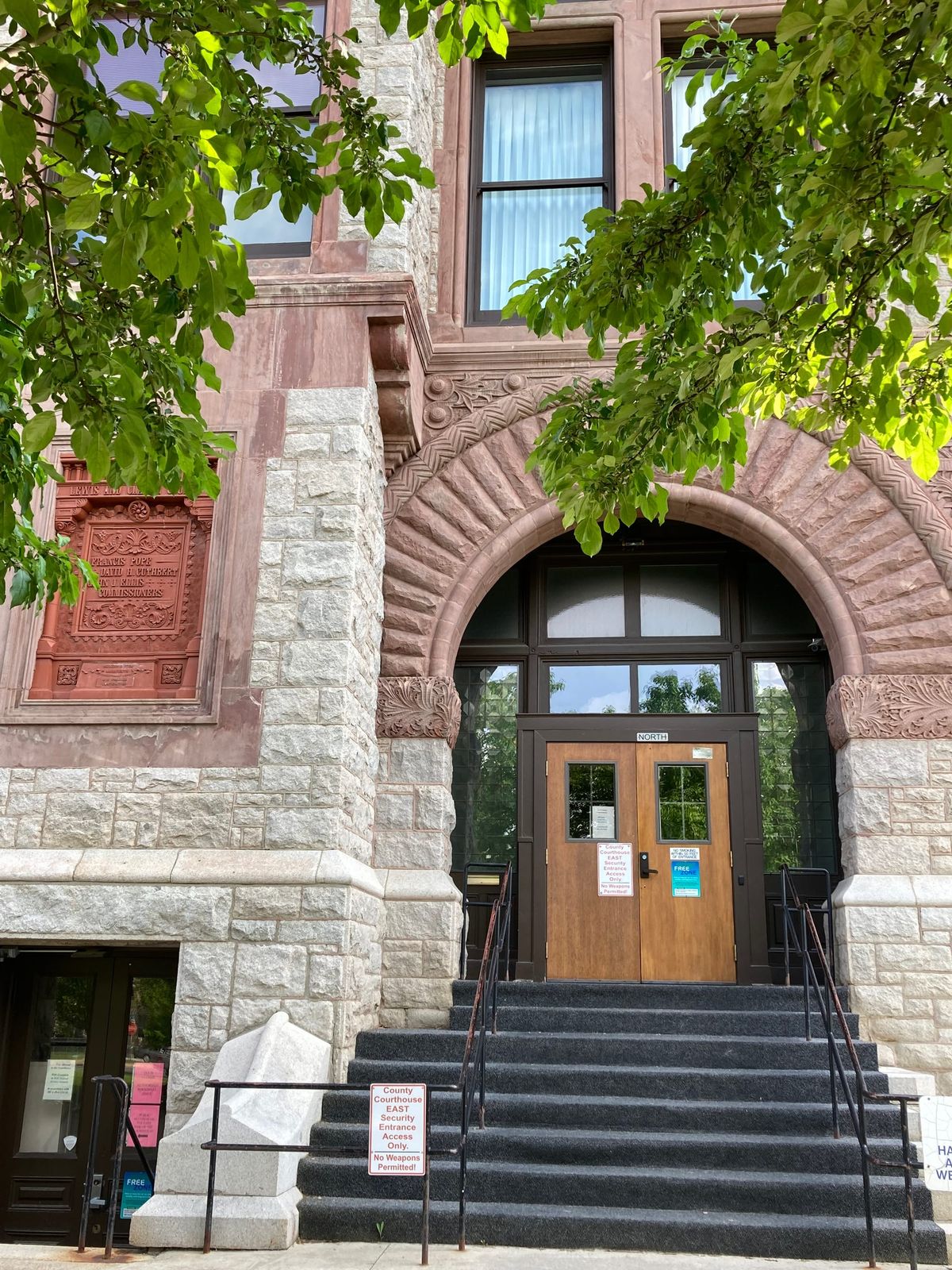
The Montana Supreme Court issued an order on December 23, 2025 rejecting the new case – called a petition for original jurisdiction – filed by thirteen young Montanans against the state and its Republican governor Greg Gianforte as well as the Montana Department of Environmental Quality (DEQ) on December 10. The petitioners failed to demonstrate the urgency or emergency conditions that would justify bypassing the trial courts and filing directly with the state supreme court, the justices said in their order.
The case, dubbed Held v. Montana II, took aim at several reforms to Montana environmental laws passed by the 2025 state legislature and signed into law by Gov. Gianforte last May. Two of the challenged laws limit the scope and substance of the Montana Environmental Policy Act and the other amends the state’s Clean Air Act to prohibit regulators from adopting air quality standards that are stricter than federal ones. These laws effectively hamstring the state from regulating climate pollution and “require agencies to turn a blind eye to known environmental harms caused by fossil fuel projects,” the petition argues, asserting that the laws therefore violate the right to a clean and healthful environment under the Montana constitution.
Youth activists had successfully leveraged this constitutional provision to defeat another state law restricting the Montana Environmental Policy Act. In 2023 the state legislature passed a law explicitly prohibiting consideration of greenhouse gas emissions or climate change during MEPA reviews. Following a historic trial in June 2023 in the original Held v. Montana case which challenged that policy, the district court ruled in youth plaintiffs’ favor and found the policy to be unconstitutional. The state then appealed, and in December 2024 the Montana Supreme Court upheld the lower court’s ruling. The courts’ decisions recognized that the right to a clean and healthful environment extends to the climate system and that every ton of greenhouse gas emissions authorized by the state contributes to ongoing climate harm to the youth plaintiffs’ health and wellbeing.
Youth plaintiffs and their legal team say the new laws passed by the 2025 legislature were intended to undermine their victory and shield fossil fuel projects from scrutiny over their environmental and climate impacts. Their new case sought to enforce the courts’ judgments in the original Held case and have the laws be declared unconstitutional. The case was filed directly with the Montana Supreme Court because they said there is urgency in terms of the climate crisis and the factual record had already been established.
“Given the adjudicated children’s health emergency in Held, caused in part by Respondents’ actions exacerbating climate change and fossil fuel pollution, Petitioners do not have years to pursue the normal litigation and appellate process again,” the petition argued.
The Supreme Court, however, disagreed with the assertion that pursuing the normal course of litigation would be inadequate.
“Although Petitioners argue that development of a factual record is unnecessary given the factual record in Held, they do not address why a district court would not be equipped to consider the legal issues in a timely fashion and permit them to present an appeal in the ordinary course,” the justices wrote in their order. They also noted that the petitioners waited seven months after the challenged laws took effect before filing their case.
Nate Bellinger, lead counsel for the youth activists, called the court’s ruling “disappointing,” but added that it only “changes the venue—not the law, not the science, and not the outcome required by Montana’s Constitution.”
“Montana’s unconstitutional actions are continuing to deepen the climate crisis and worsen a growing health emergency for children,” Bellinger said. “The Court did not question the merits of our claims or the landmark Held decision affirming young people’s constitutional right to a clean and healthful environment. It simply directed that these challenges move forward through the district court process.”
The youth petitioners will now be continuing their case through the lower courts, according to Bellinger.
“We will be filing a new case in state district court very soon,” he said. “Montana’s children have a right to a clean and healthful environment, and we will continue enforcing that right until the state complies.”