Youth Launch New Legal Challenge Against Trump’s EPA
The 21 young petitioners seek to overturn the agency’s repeal of a climate pollution rule for power plants, alleging the rollback is unconstitutional.
Young climate activists who sued US President Donald Trump and his administration over executive orders to double down on climate-wrecking fossil fuels have brought a new legal challenge to one of the biggest environmental rollbacks taken by Trump’s Environmental Protection Agency – the repeal of climate pollution controls for power plants.
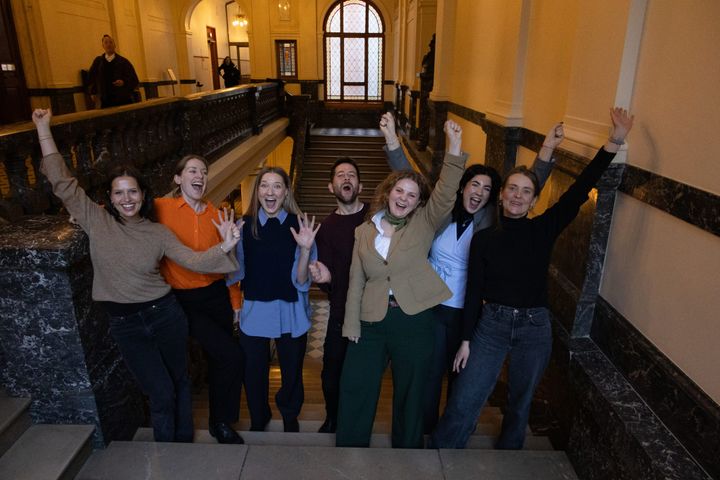
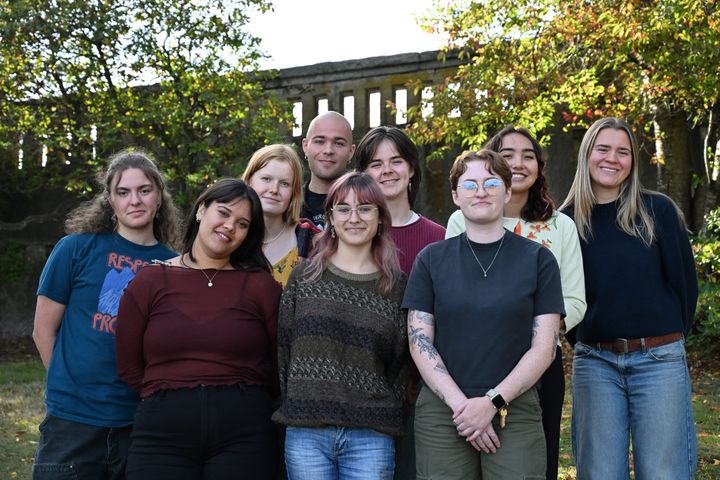
On November 16, twenty-one children and young adults (ranging in age from 1 to 27) filed a petition with the U.S. Court of Appeals for the D.C. Circuit seeking review of the EPA’s move to eliminate most of a 2024 rule placing limits on carbon emissions from existing coal and new gas plants. The EPA finalized this rollback in September. The agency also announced a proposed rescission of its greenhouse gas endangerment finding for the power sector, which would wipe out all remaining existing and any future climate pollution controls on fossil fueled power plants under the Clean Air Act. The electric power sector is the second-largest source of greenhouse gas (GHG) emissions in the U.S. and accounts for about a quarter of all U.S. GHG emissions.
Sixteen of the young petitioners were plaintiffs in Lighthiser v. Trump – a case brought by 22 young Americans challenging three of President Trump’s executive orders designed to “unleash” fossil fuels and revitalize the coal industry. The plaintiffs had argued that these orders would gravely exacerbate the climate crisis that is already endangering their welfare, health and safety, and were therefore unconstitutional. A federal district court dismissed the case on standing grounds last year – determining that youth plaintiffs did not meet all the requirements to bring a valid legal challenge – and the Ninth Circuit Court of Appeals upheld the dismissal in a June 2 ruling.
The new legal action against the EPA, called Lighthiser v. EPA, is even more narrowly targeted, challenging a single government actor undertaking a single, specific action. That is by design, as one of the concerns expressed by the appeals court with the prior Lighthiser case was that it was too sweeping because, although the case challenged specific executive orders, there are hundreds of actions executive branch agencies are taking to implement these orders that would be implicated by potential court-ordered relief (called an injunction). And that relief, the court said, would entail “extensive judicial supervision of executive branch actions related to energy policy.” According to the court, “such a sweeping injunction against hundreds of agency actions in one lawsuit is unprecedented.”
“The court never said our rights don’t matter. It sent us away without deciding whether the government was violating them,” Eva Lighthiser, lead petitioner in the new case who was also lead plaintiff in Lighthiser v. Trump, said in a statement. “So we are back with a specific challenge to a specific EPA decision that lets more pollution into the air we breathe and the climate we depend upon. My generation has a right to breathe clean air and live safely, and we are asking the court to protect us.”
Lighthiser was also previously a plaintiff in the landmark Held v. Montana youth climate case that successfully challenged a Montana state law prohibiting regulators from considering climate impacts in environmental reviews of fossil fuel projects. The Held case, which went to trial in 2023, affirmed that young Montanans have a right to a clean and healthful environment under the state’s constitution and that this right includes a stable climate system. The lead plaintiff in that case, Rikki Held, has joined the new Lighthiser case, as have some of the other plaintiffs from the historic Montana case.
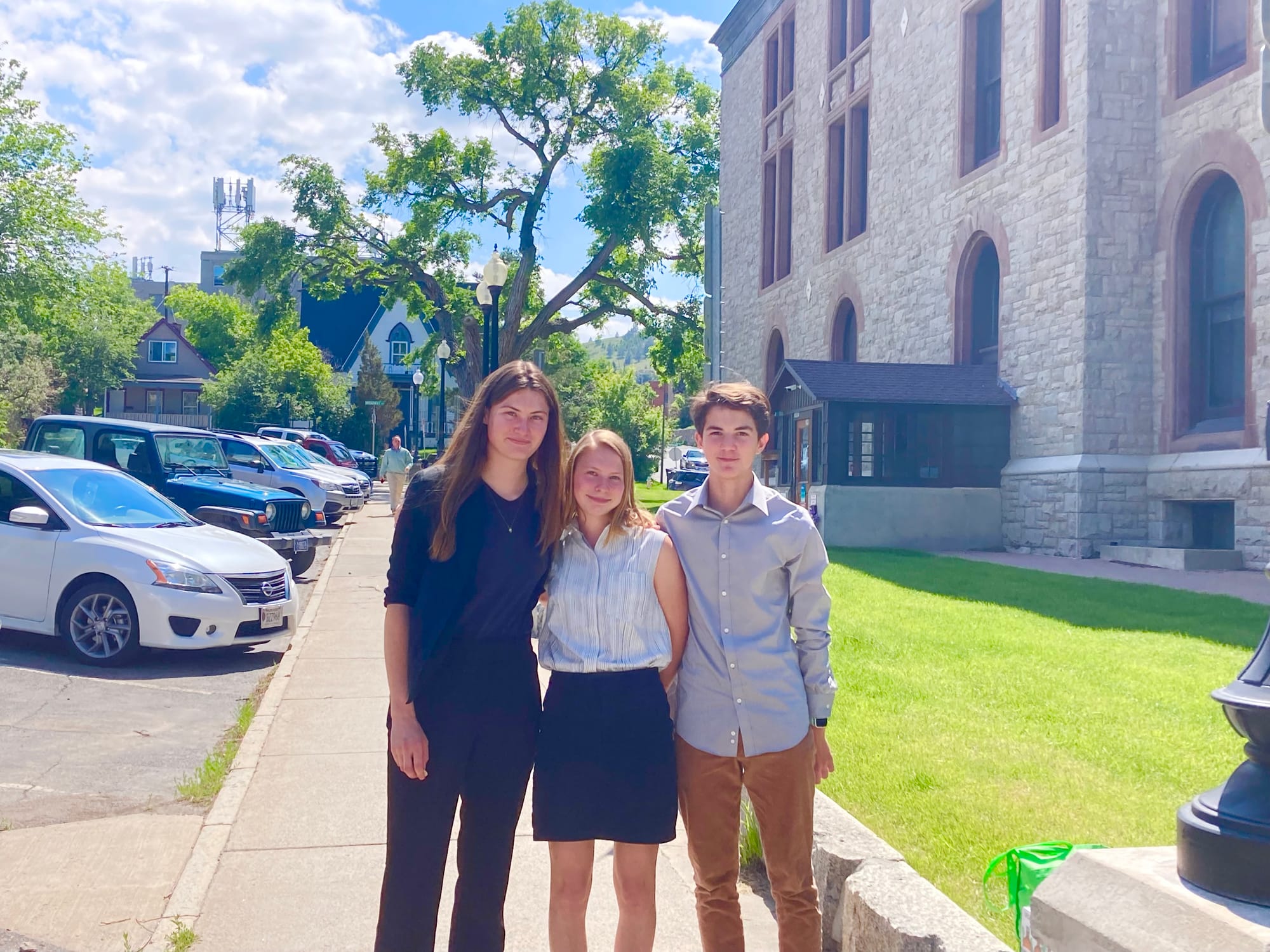
Youth petitioners come from the states of California, Colorado, Florida, Hawaiʻi, Montana, Oregon, and Wisconsin, and they are represented by the nonprofit law firm Our Children’s Trust, which brings rights-based climate lawsuits on behalf of children and youth against governments. The youth petitioners allege that the EPA’s rollback of climate pollution controls on power plants violates their constitutional rights to life and liberty, because it will result in significantly more greenhouse gas emissions and more damaging climate impacts. According to Our Children’s Trust: “The annual increase in carbon dioxide emissions resulting from EPA’s action is more than the annual energy carbon dioxide emissions from California or Australia.”
“EPA admits in its own rule that children will lose health protections because of this repeal, and it moved forward anyway,” Julia Olson, chief legal counsel of Our Children’s Trust and lead attorney to the petitioners, said in a statement. “The government cannot knowingly sacrifice children’s health and safety to protect an industry’s profits. These young people are asking the court to hold EPA to its constitutional duty instead of acting at the behest of the President’s unlawful executive orders.”
A coalition of environmental and public health groups as well as more than two dozen states, counties and cities are also separately challenging the EPA’s repeal of the 2024 Carbon Pollution Standards.
Additionally, many of those same parties have lodged petitions with the DC Circuit Court to challenge the Trump EPA’s rescission of the 2009 greenhouse gas endangerment finding for motor vehicles. A group of 18 young people have petitioned to challenge that rollback as well, in a case called Venner v. EPA, which remains pending.